Just a little something about me.


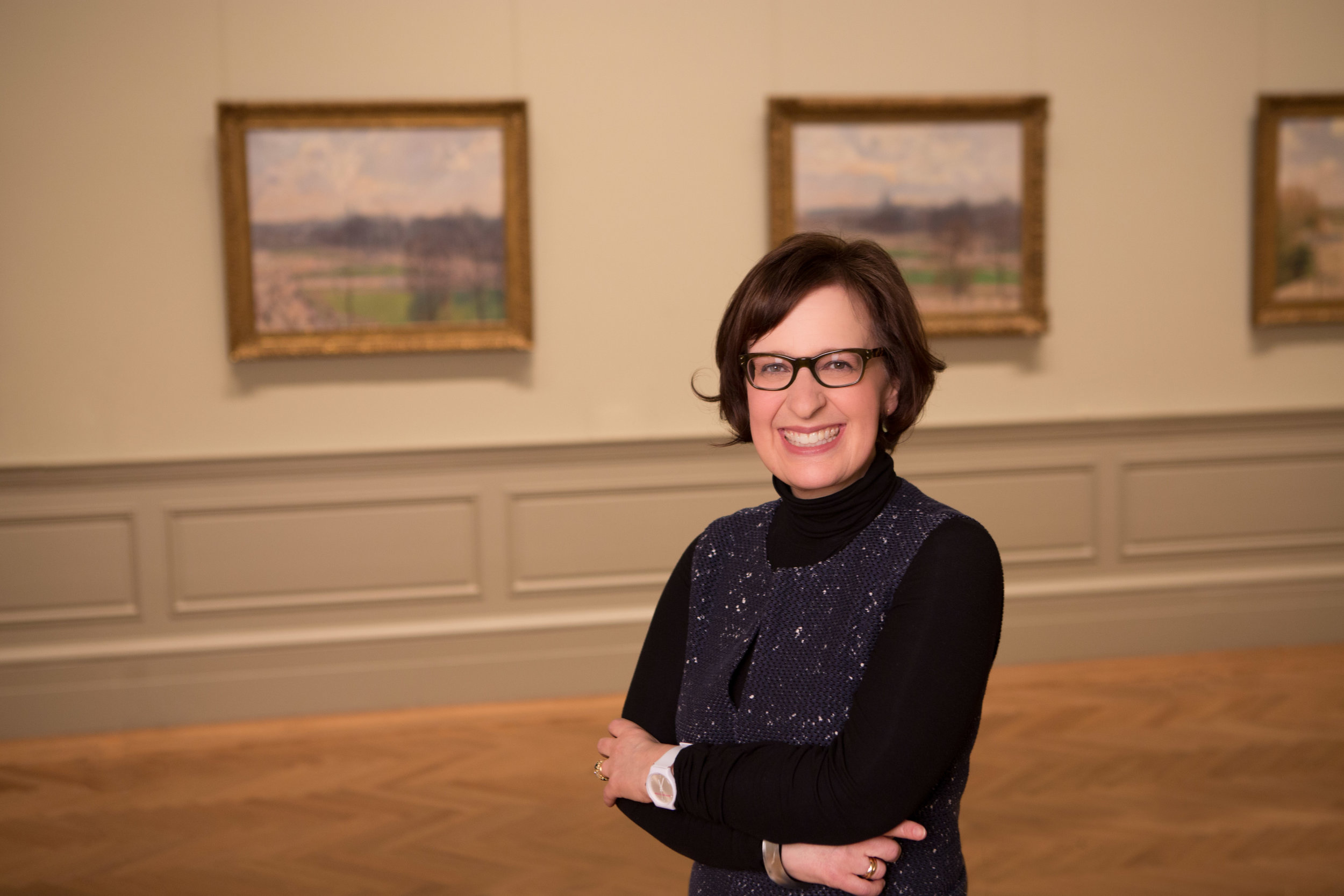
Kathryn Calley Galitz is a scholar of late eighteenth- and early nineteenth-century French art. At The Metropolitan Museum of Art, Galitz has organized international exhibitions on artists including Chassériau, Girodet, and Turner. She was a member of the curatorial team awarded Best Historical Show 2008 by the International Association of Art Critics for Gustave Courbet.

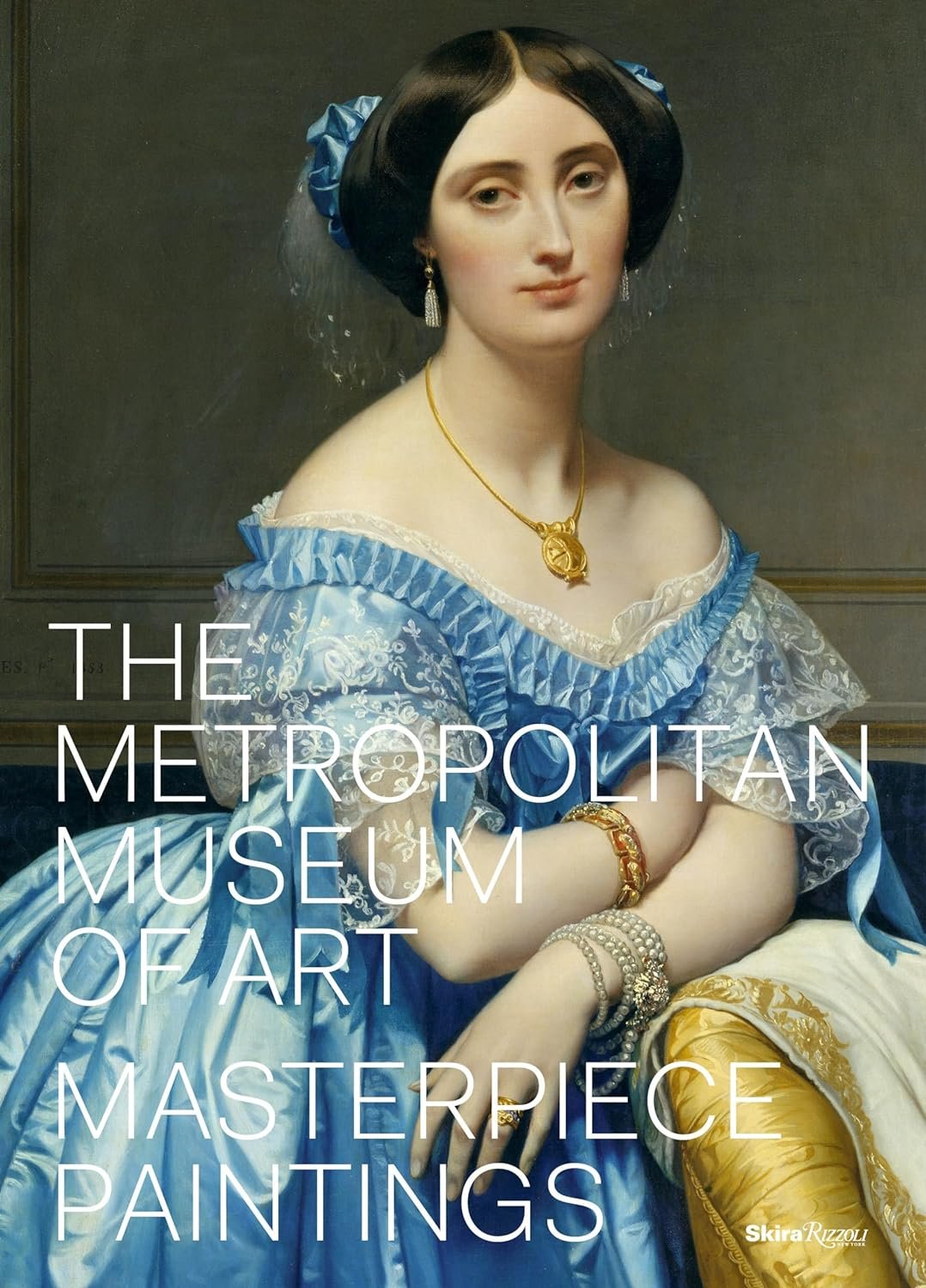
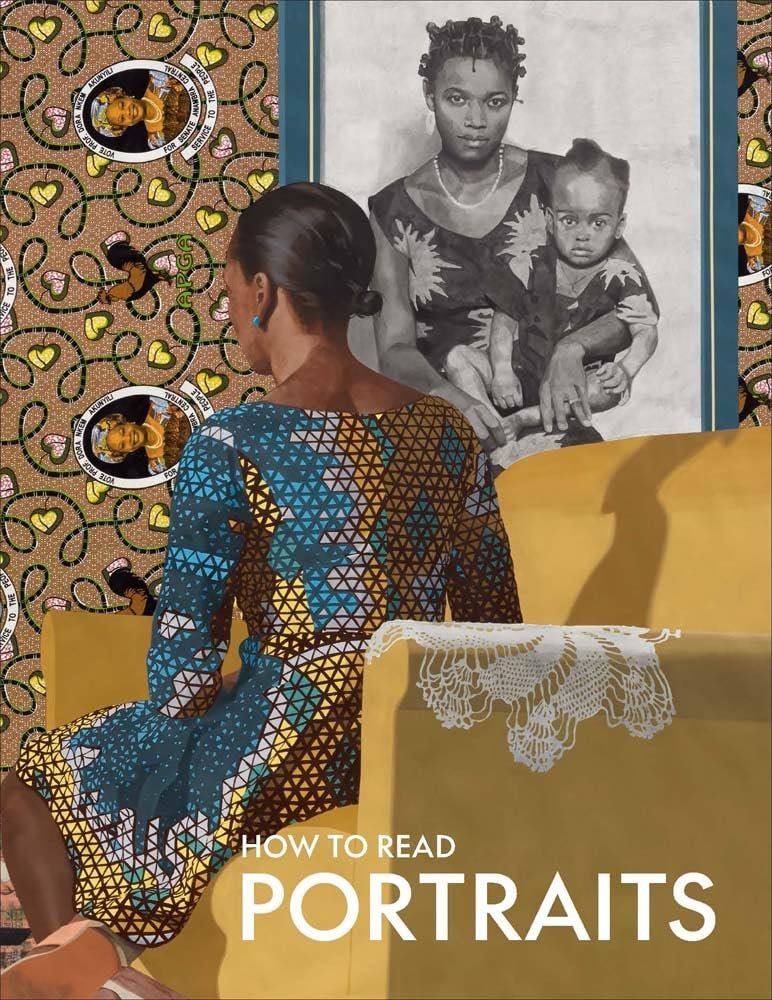
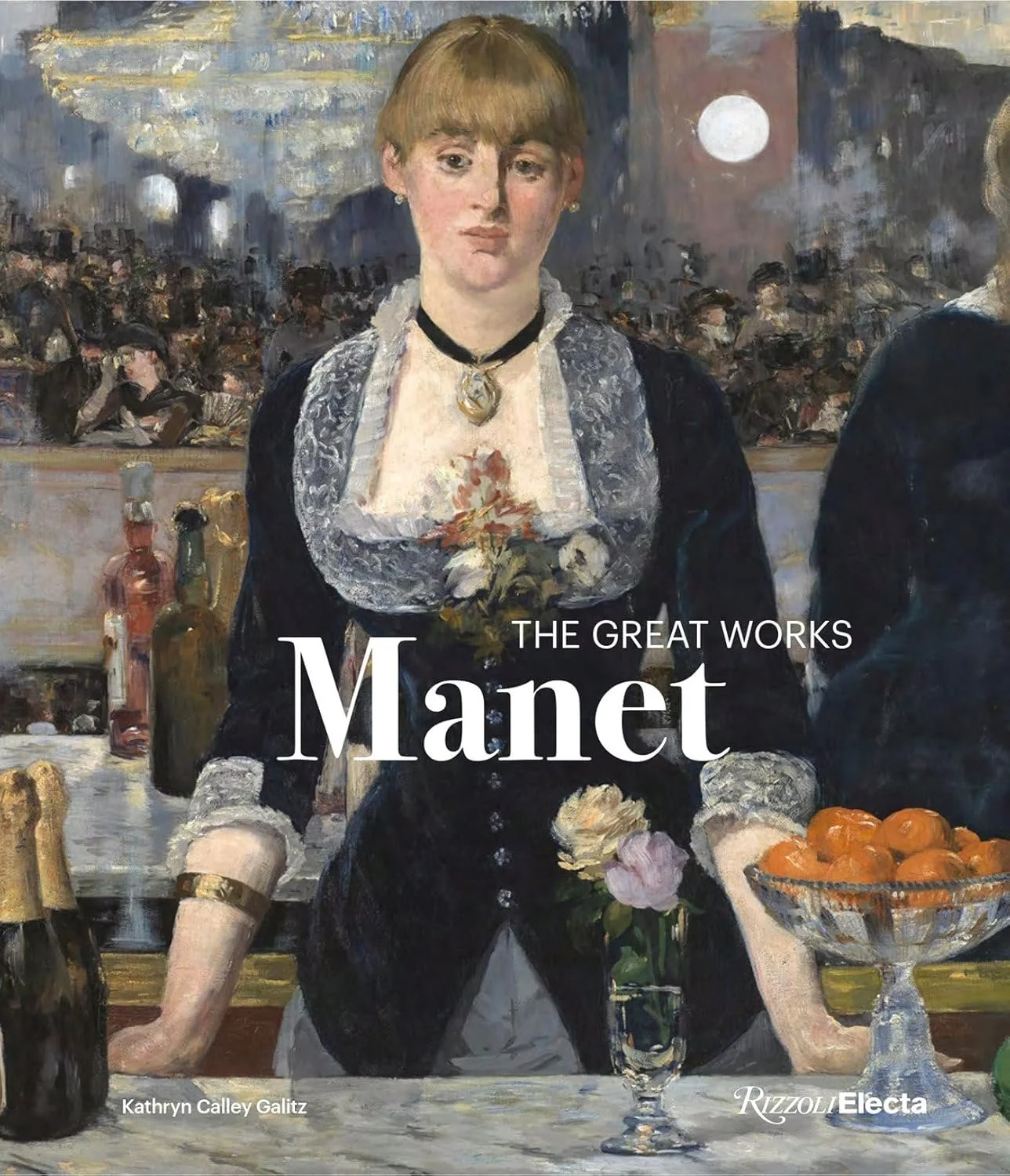
Dr. Galitz is a frequent lecturer, has appeared on radio and television, and has been a fellow at the Hermitage Museum, The Attingham Trust (Summer School, Royal Collection Studies, Study Programme: Spain), and the Art Institute of Chicago. She is the author the bestselling The Metropolitan Museum of Art: Masterpiece Paintings (Skira Rizzoli, 2016), which explores 5,000 years of painting and features some of The Met’s most important works, and How to Read Portraits (The Metropolitan Museum of Art, 2024), exploring the meaning of portraiture across time and cultures—from mummy portraits to realism to abstraction. Her most recent book, Manet: The Great Works (Rizzioli Electa, 2026), explores the seminal artist who paved the way for the Impressionist movement and the rise of modernism. Dr. Galitz has also authored numerous works on Neoclassical painting, including “The Family Paradigm in French Painting, 1789-1814,” “François Gérard: Portraiture, Scandal, and the Art of Power in Napoleonic France” (Metropolitan Museum Bulletin, 2013), and François Gérard’s Portraits of Alexandrine Émile Brongniart” (The Burlington Magazine, June 2019).

Kathryn Calley Galitz received her Ph.D. in art history from the Institute of Fine Arts, New York University, and earned her M.A. from Williams College and B.A. from Smith College. She was a visiting professor of art history at New York University and has taught at Hunter College, CUNY.  She currently serves as President of the Alumni Association Board, Institute of Fine Arts, NYU and is the former Vice President of the Board of Directors for American Friends of Attingham.
More information


Kathy Galitz Photo 1.jpg

what's new?

Manet: The Great Works (2026) is available for PRE-ORDER now!

This richly illustrated new volume is devoted to the most important works by Édouard Manet—a pivotal figure in the emergence of Impressionism and widely considered the first modern artist.

With nearly one hundred seminal paintings, this publication celebrates the artist who paved the way for the Impressionist movement and the rise of modernism. Combining a radical technique with contemporary subjects, Manet’s groundbreaking works engage with modern Paris, depicting its new boulevards and fashionable parks and cafés along with a range of urban types, from ragpickers and prostitutes to barmaids and elegant Parisians.

Included here are the artist’s iconic scenes of modern life such as Luncheon on the Grass, with its shocking juxtaposition of a female nude and a pair of fully dressed men, and Olympia, a modern reworking of Titian’s Renaissance masterpiece, Venus of Urbino, that scandalized Paris in the 1860s and established Manet as the leader of the avant-garde.

This book also explores Manet’s artistic legacy in the work of subsequent generations of artists, from Cézanne and Picasso to contemporary artists including Nicole Eisenman.

French and Spanish editions also available.

Also available by

Kathryn Calley Galitz

The Metropolitan Museum of Art: Masterpiece Paintings (2016)

As the first large survey published in 30 years, and the first large general survey of the Met's paintings collection it is the first to celebrate the greatest and most iconic paintings of one of the largest, most important, and most beloved museums in the world.

How to Read Portraits (2024)

This latest volume in The Met’s acclaimed How to Read series explores the meaning of portraiture across time and cultures—from funerary masks to realism to abstraction. Portraiture goes far beyond capturing a likeness. Portraits speak to such fundamental human concerns as status, relationships, and identity. Featuring more than fifty works across time and cultures and in different media, this book expands the notion of what, beyond mere appearance, constitutes a portrait. This reexamination of a deceptively familiar genre provides fascinating ideas about what these images can tell us about the artist, the sitter, and ourselves.